Cozy Nights In
The Best Romantasy & Spicy Winter Reads for Christmas & Thanksgiving
Six book-and-candle pairings for the genre eating BookTok alive right now, the snowed-in trope explained, and how to actually build yourself a reading retreat during the busiest season of the year.
Updated July 2026 · Reviewed for the 2026 holiday season
Winter is peak romantasy and spicy-reading season — cold weather, built-in holiday downtime, and a wave of BookTok-driven releases all converge on the exact same few months. The books actually worth your limited reading time this year: Fourth Wing, A Court of Thorns and Roses, Cruel Winter With You, In a Holidaze, Kiss Her Once for Me, and A Court of Silver Flames — each paired below with the candle that actually matches its mood, not just a generic "cozy" scent. Below that: the snowed-in trope explained, and a real plan for getting the uninterrupted hours a good romantasy binge requires during the most chaotic month of the year.
What is romantasy? (And is it the same as smut?)
"Romantasy" — romance plus fantasy — describes books where the central relationship isn't a subplot to the fantasy world; it's the load-bearing wall. Pull the romance out and the story collapses, which is what separates it from traditional fantasy novels that happen to include a love interest. Merriam-Webster has formally tracked "romantasy" as a slang term, and the category's growth is not a vibe — US romantasy sales hit an estimated $610 million in 2024, up from $454 million in 2023, driven largely by word-of-mouth on BookTok rather than traditional publishing marketing.
"Smut" and "spicy" are related but distinct terms readers use constantly and search for just as often: smut is slang for explicit sexual content, independent of genre, while spicy is the more casual heat-level descriptor — readers rate books on a flame scale (often 1 to 5) to signal how explicit the content gets. A romantasy book can be closed-door and nearly spice-free, or full-on smut; the "romantasy" label only describes the genre blend, not the heat level. Knowing the difference matters practically: searching "romantasy" alone will surface plenty of low-spice options mixed in with the smuttier ones, so pair it with a spice-level term if that's specifically what you're after.
Why winter is peak romantasy season
This isn't a coincidence of timing — it's structural. A few things stack on top of each other every single winter:
- Built-in downtime. The stretch from Thanksgiving through New Year's is the one extended period most readers get real, unscheduled hours — school breaks, time off work, long car and plane rides.
- Weather that keeps people inside. Cold, dark, early-sunset months simply produce more reading hours than July does, by necessity as much as preference.
- Publishers time releases for it. Major romantasy sequels and breakout debuts increasingly launch in October and November specifically to ride into the holiday reading window.
- Readers actively want longer books over break. Nearly every major breakout romantasy title picked up each holiday season runs 600+ pages — a strong signal that readers are deliberately choosing immersive, long-haul reads for the exact stretch of days when they finally have time for one.
Readers themselves have started pushing back on the idea that spicy holiday romance only belongs in the four weeks between Thanksgiving and Christmas — the actual reading window people want runs from early November, when the first wave of holiday romance releases drops, straight through the slow, cold weeks of January.
The snowed-in trope, explained
If one trope defines winter romance more than any other, it's the snowed-in: two characters trapped together by a storm, in a cabin or a stranded car or a closed airport, with nowhere to be and no reason left not to say the thing they've been avoiding. The appeal isn't just aesthetic — forced proximity strips away every convenient excuse two people have been using to stay apart, and isolation turns the emotional volume all the way up. Everything reads sharper when the outside world goes quiet and there's genuinely nowhere else to go.
It shows up constantly for a reason: it's a nearly perfect narrative engine for both slow-burn tension and immediate emotional intimacy, and winter provides a built-in, believable reason for the isolation that a beach read or a summer romance has to work much harder to manufacture.
Six book-and-candle pairings for this winter
Rather than one more undifferentiated "best romantasy books" list, these six are matched to a specific candle from Aarka Origins' Romance & Love-Inspired Candles collection — a lineup built specifically around romance tropes (Persephone, Morally Grey, Fake Dating, Star-Crossed Lovers, and more), which made the pairing exercise a lot more precise than reaching for a generic "cozy" scent.


Rebecca Yarros' dragon-riders-at-war-college saga is the book that made "romantasy" a household word — a fated-mates bond with a love interest whose loyalties you can't quite trust. Morally Grey's bergamot and yuzu blossom keep it bright rather than heavy, which is exactly the tension the book runs on: you're not sure if you should trust him, but you can't look away either.
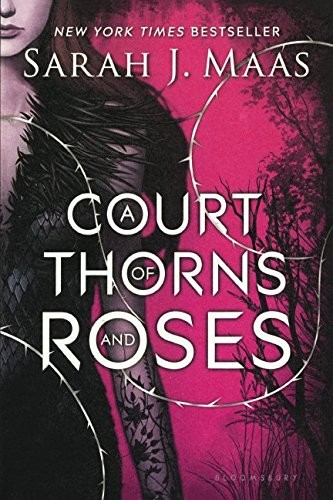

Sarah J. Maas built the ACOTAR series on Hades-and-Persephone bones — a mortal girl pulled into a fae underworld she didn't choose, falling for the last person she should. The Persephone candle's pomegranate and dark cherry aren't a coincidence; it's the actual myth the book is quietly retelling, poured into a jar.


Ali Hazelwood's take on the forced-proximity cabin story: a fake-relationship-turned-real between two people who were never supposed to fall for each other twice. Star-Crossed Lovers' dark plum and berries read exactly like the book's premise — something that shouldn't work, working anyway.


Christina Lauren's time-loop Christmas story — the same family cabin, the same holiday, replayed until the heroine finally sees the right guy standing in front of her the whole time. Holiday Romance's peppermint-chocolate-mocha is the most on-the-nose pairing in this whole list, and that's the point: sometimes the obvious candle is the correct candle.


Alison Cochrun's queer holiday romance runs on a fake-engagement premise dreamed up to please a dying grandmother — until the fake part stops feeling fake. The Fake Dating candle's cranberry and apple jam were, unsurprisingly, made for exactly this trope.


The most explicitly "spicy" entry in the ACOTAR series — a healing-from-trauma arc paired with a love interest whose protectiveness tips fully possessive. Touch Her and You Die isn't subtle about which trope it's built for, and neither is this book.
The full Romance & Love-Inspired Candles collection runs well beyond these six — Mr. Darcy (citrus, cherry blossom, vanilla) for slow-burn Austen energy, Wuthering Heights (forest, rain, woods) for gothic and brooding love interests, and Smut Reader (berries, sparkling champagne) if you'd rather the candle just say the quiet part out loud.
How to build a reading retreat at home
The books and candles are half the equation — the other half is actually carving out a space and a stretch of hours where you're not managing anyone else's holiday. A few deliberate choices make the difference between a good reading afternoon and a great one:
- Pick one chair and defend it. Not the living room couch everyone else uses — somewhere that reads as "occupied" the moment you sit down, ideally with a door.
- Light the candle before you sit down, not after — scent needs a few minutes to fill the room, and starting cold breaks the ritual you're trying to build.
- Stock a small tray within reach: water, a snack, chapstick, your phone charger — anything that would otherwise pull you out of the chair mid-chapter.
- Dim the room, don't darken it. A single warm lamp reads as intentional; overhead light reads as "waiting for someone to walk in."
- Silence notifications, not just volume. A buzzing phone face-down still pulls attention; airplane mode for the length of a chapter is a bigger unlock than most readers expect.
- Set a soft time boundary, not an open-ended one. "I'm reading until 4" is easier to protect than an unbounded "I'll read for a while," which evaporates the second someone needs something.
How to actually get the hours to read during the holidays
This is the part most "best books" lists skip entirely: a stack of great romantasy recommendations is useless if the holiday leaves you no actual time to read them. Two things from our other guides apply directly here:
If you're hosting or staying with family, the same boundary-setting logic from How to Handle Difficult Family During the Holidays works for protecting reading time, not just for avoiding arguments — announce it in advance, plainly, without over-explaining:
Said once, cheerfully, before anyone can read it as rejection, this line does the same work as any other boundary script: it converts an unexplained disappearance into a stated plan. If you're spending part of the holidays solo, the reading retreat above pairs naturally with the mindset in Spending Christmas Alone: An Honest Guide — a deliberately good, unhurried stretch of hours is the whole goal, not a consolation prize for having nowhere else to be.
Frequently asked questions
What is romantasy?
A portmanteau of romance and fantasy describing books where the romance is load-bearing, not a subplot. It's a documented slang term (Merriam-Webster tracks it) and a real market force — roughly $610 million in US sales in 2024 alone.
Is romantasy the same as smut?
No. Romantasy describes the genre blend; "smut" describes explicit content, independent of genre. "Spicy" is the more casual term for heat level, often rated on a flame scale in reader reviews — a romantasy book can be low-spice or full smut, and the genre label alone won't tell you which.
Why is winter the best season for this kind of reading?
Built-in holiday downtime, weather that keeps people inside, publishers timing major releases for the window, and readers specifically seeking long, immersive books over their time off — several major romantasy breakouts each holiday season run 600+ pages.
What is the snowed-in trope?
Two characters trapped together by a storm, with forced proximity stripping away whatever was keeping them apart. It's one of the most reliable tropes in romance because isolation raises the emotional stakes on everything at once.
What candle should I pair with a spicy romantasy book?
Match mood, not just "cozy": mythological or forbidden-romance stories pair with pomegranate and dark cherry, morally-grey love interests pair with brighter citrus, and straightforward Christmas rom-coms pair with peppermint-mocha or gingerbread. See the six pairings above for specifics, or browse the full Romance & Love-Inspired collection.